Mulch
Lately I’ve been thinking about mulch.
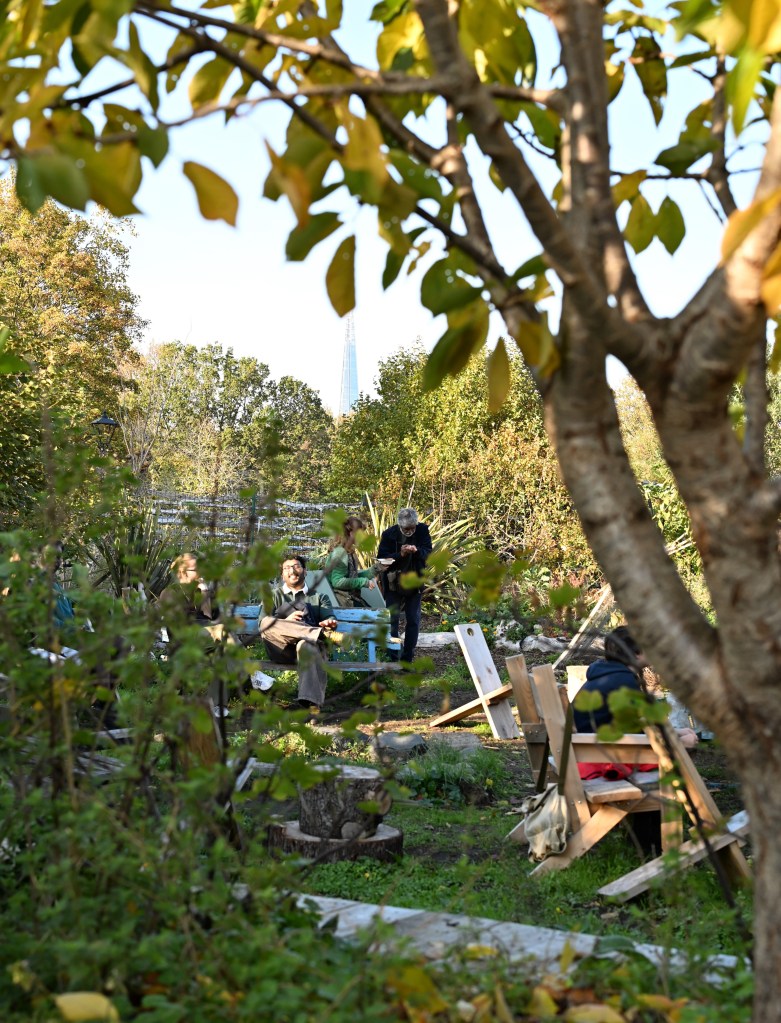
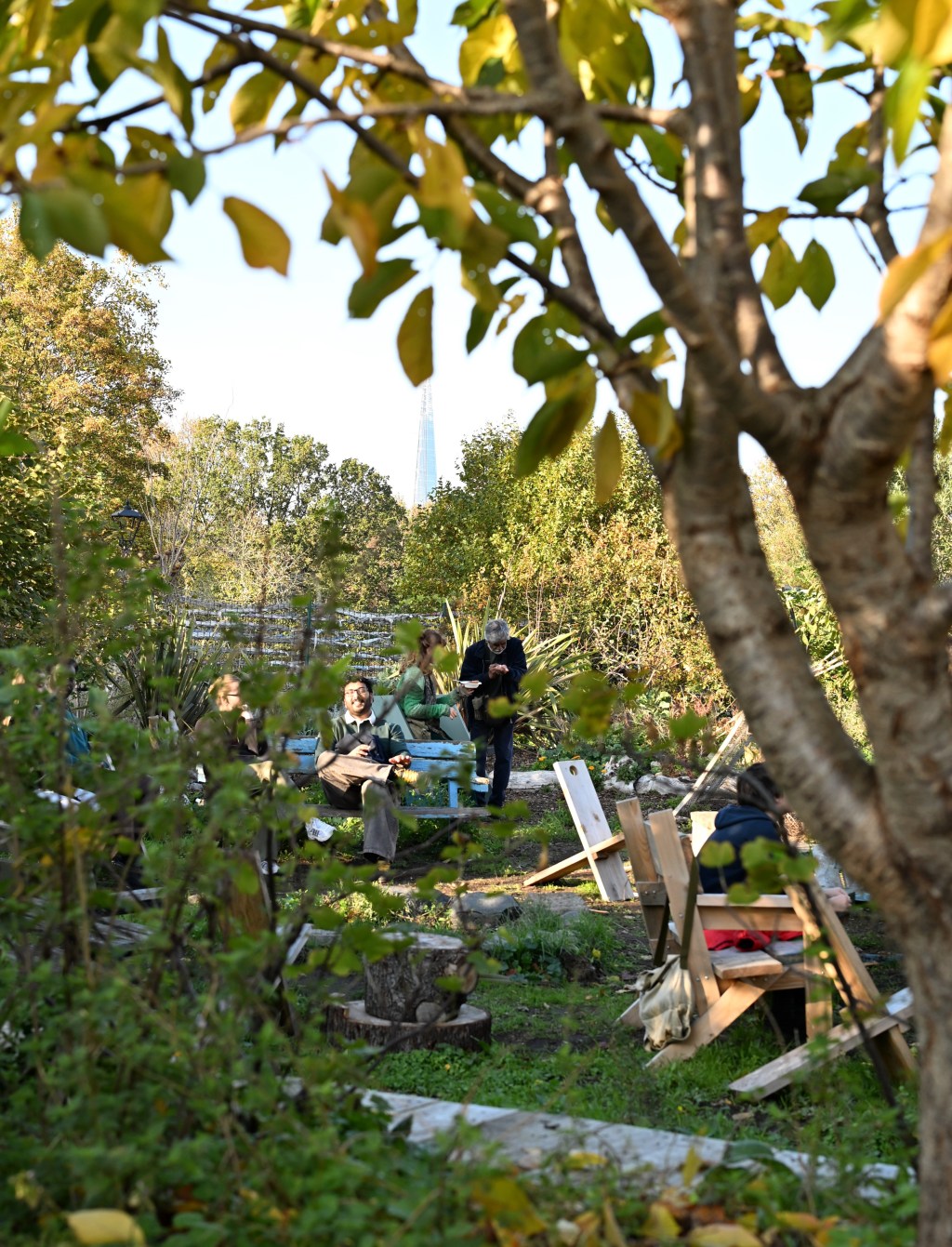
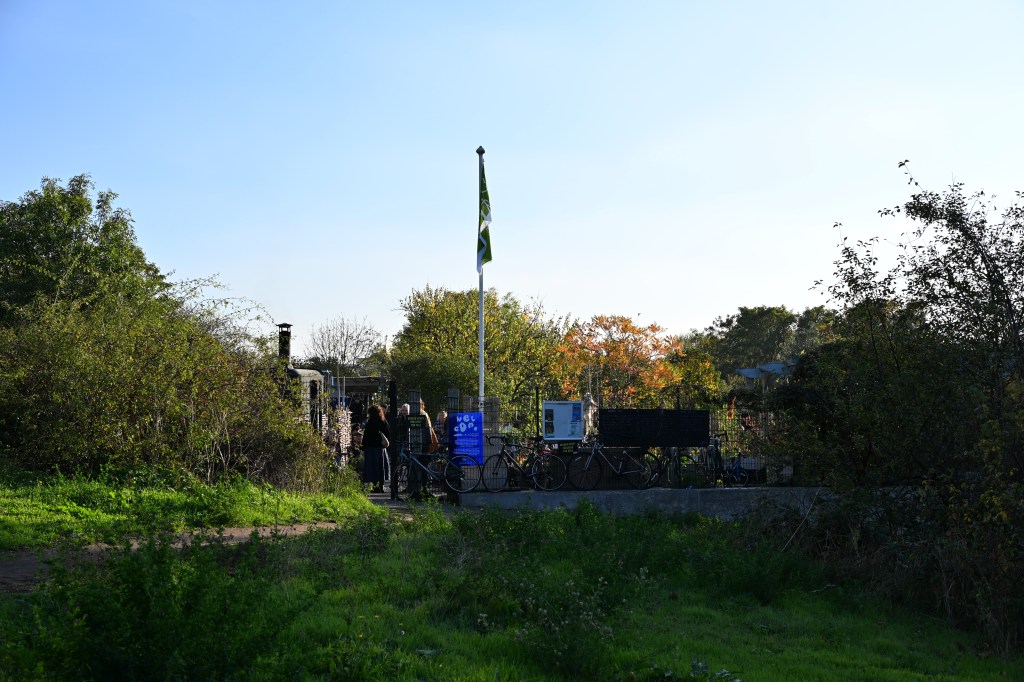
I live next to Burgess Park, in Southwark. To be exact, I live across the street from a garden. It is a beautiful garden, chock-full of vegetables, towering banana plants, and ferns. There is a shed there with tools for volunteers, and a yurt, too. There is a chicken coop and a beehive, and on weekends there is a sauna. Sometimes, people come for community lunches, and other times they come to tear their hands through wet soil. Everyone is welcome.
Under this garden is a pile of mulch, deposited via dump truck not so long ago. Under the mulch is a cement parking lot. Under that parking lot is hard-packed soil, and maybe the remnants of an old building foundation.
It is a nice area, but is not always seen as such. I often hear my fellow students express indignation at the distance from “central London,” with its tidy streets and coffee shops. There have been complaints about “loiterers” and, while there have been incidents, safety concerns are generally overstated. We are situated on the seam between much-gentrified Bermondsey and currently-gentrifying Peckham. As affluent tenants flow south toward Peckham, Burgess Park becomes a looking glass through which the class divide can be examined.
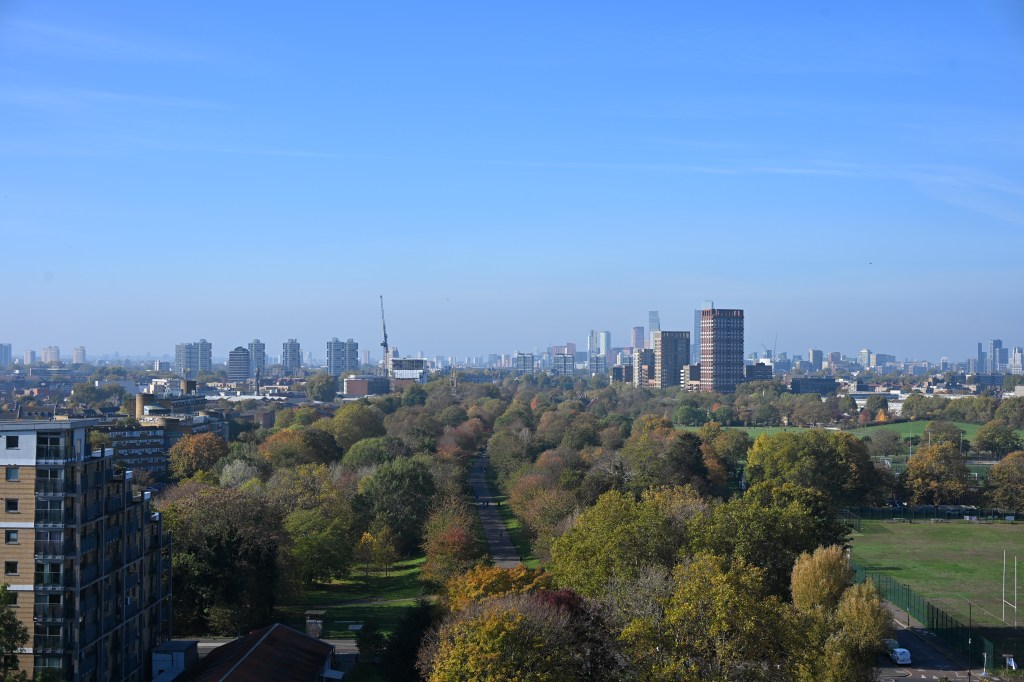
I often run laps, down and back, tracing the spine of Burgess Park. It is one of the few places in London where I can run without bumping shoulders with strangers. This is important, not just for runners but for everyone. Green space is a luxury in a city, and access is a highly political thing. Burgess Park is no exception, nor is it taken for granted. I’ve seen quinceañeras and run clubs, Caribbean drum sessions and an old woman picking gooseberries from the bushes by the pond. Young Nigerian men read on benches while Hispanic couples trade volleys on the tennis courts. Burgess Park attracts anyone and everyone at once.
It would be quite easy to look at this park as extending beyond the grassy fields and duck pond, to encompass the comings and goings of those we see. Place, maybe, is not a bounded thing, but a “meeting place of flows from elsewhere” (Massey, 1991). Place, to me, is created by its history, its people and their actions.
A question, then: who is this place for?
Burgess Park
Burgess Park was once farmland, with market gardens that supplied food to London’s growing population – a population that spread through Southwark until the place itself grew into a densely lived-in borough. It was a highly industrial area with a foundry and factories for bookbinding, paper-making and soft drinks. After the bombs of the Second World War reduced many buildings to rubble, Burgess Park was built from the dust. This took decades and was highly controversial. Most of London’s parks are built from fields, or otherwise unpopulated areas. In this case, however, the Greater London Plan of 1944 dictated that homes were forcibly bought (through a wave of compulsory purchase orders) and demolished to make way for the walking paths and grassy fields that I now run through, dodging flocks of hissing geese. The locals, forced from their homes, fought vehemently against the park and advocated instead for housing to be built in its place. They were ignored and landscaping and construction continued, if incrementally. Today, the park is still unfinished. Road remnants cross through the greenery, cutting past industrial debris, serving as reminders of what, and who, once stood there.
Place and the Glengall Community Garden
There is a vague poetry in the siting of the Glengall Community Garden, its ramshackle construction sat atop a pile of mulch covering what was a cement parking lot. It is often claimed that the history of a place saturates its soil, seeping into its roots. In that way, places don’t forget. The vines of history dictate a place’s nature and its use, by whom, for whom. In a borough that has experienced bombing, eviction, and loss, that tumult has embedded itself in Burgess Park to create a space that is active and nervous. It is very rarely empty and almost never calm. In a way, the level and variety of activity make the park one of my favorites. It has an energy that is lacking in the manicured lawns of Hyde Park, but it can also stifle tranquility.
And so, when the people of Southwark dumped heaps of mulch atop a parking lot, erected a fence, and inaugurated the Glengall Community Garden, I like to think that they were standing in defiance of history and staking a claim to a new story on fresh, fertile soil. In the coming months I’m hoping to get to know this little garden a bit better. I’m still learning about this place, and if there’s any way to know a place it’s through action – my last year’s experiences in Ireland taught me this.
What makes a place? We’ve already mentioned history, but people and their actions too are placemaking instruments. Tim Ingold (2000) wrote of Taskscapes, or the pattern of activities that make up an environment. He claimed that we know the world not through observation, but through action, and what better example of this than a garden? With every upturned carrot, every buried trowel or shaken root, a gardener learns unknowable things.
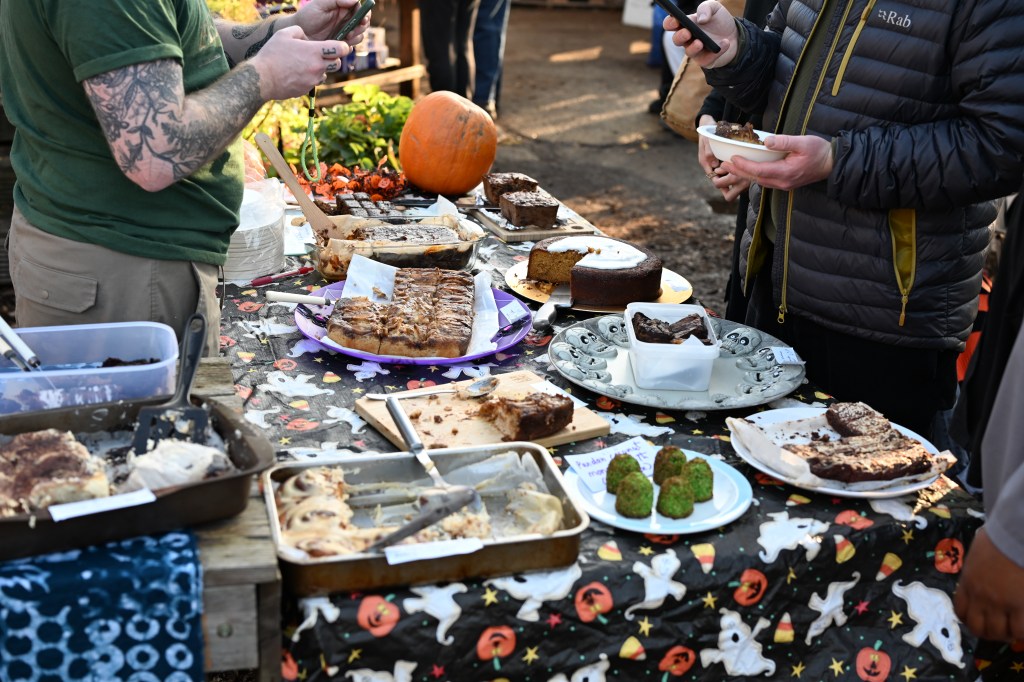
On Halloween, I walked into the garden for only the second time. Parents carved pumpkins with their children while vendors sold homemade Guinness cake at a bake sale. I strolled over to a table and bought a jar of honey, collected from the hives near the fence, and admired the chickens, each with their own name tags and backstories. The place was brimming with energy and the sun-saturated fall leaves were stomped by the little boots of the costumed children. I swallowed a spoonful of pumpkin soup and thought again of renewal, of place, and of the sweet smell of dewy mulch.
First life, then spaces, then buildings – the other way around never works.
Jan Gehl (Cities for People, 2010)