If we are looking for insurance against want and oppression, we will find it only in our neighbors’ prosperity and goodwill and, beyond that, in the good health of our worldly places, our homelands. – Wendell Berry
My parents grew up in central New York. My dad is from Oneonta, a town of 13,000 people and the county’s largest; my mom was raised in Fly Creek, a sleepy hamlet tucked in a shaded valley northwest of Cooperstown. The drive from our home in the Washington, D.C. suburbs to our family’s house on Arnold Lake, in the town of Hartwick, takes around six hours.
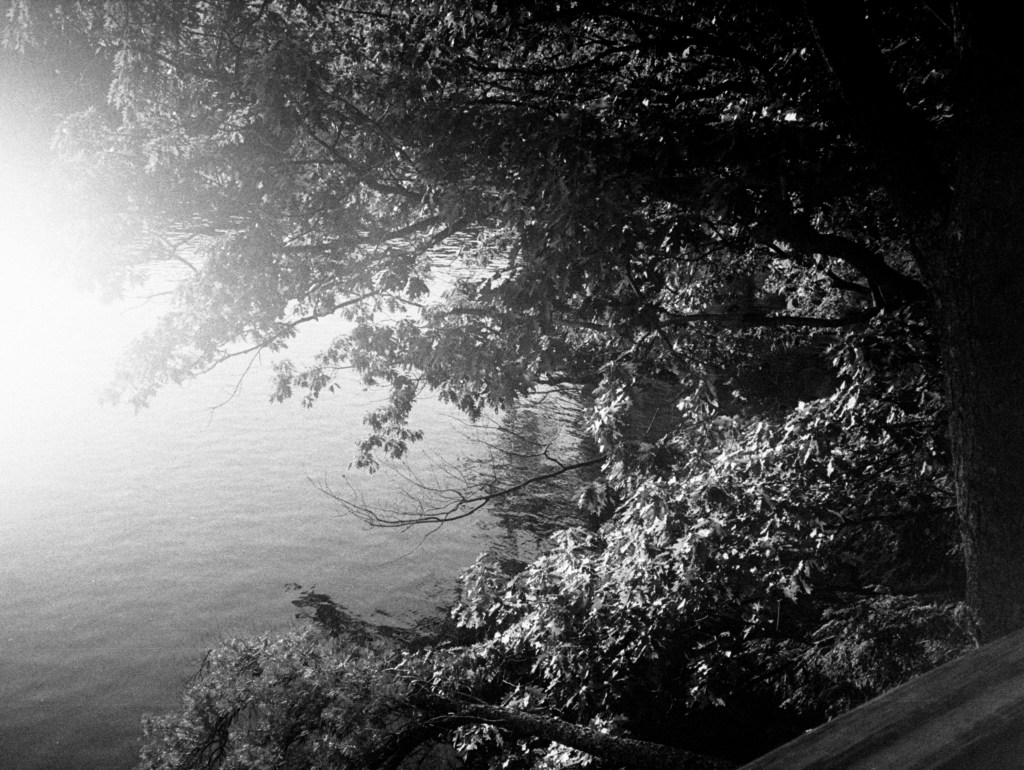
Arnold Lake is nestled between the white pines and oaks of Arnold Lake State Forest, at the summit of one of many gently-rolling hills. Here, the seasons carry their weight equally. I remember Christmases in that house, the ground blanketed in snow, my brothers and I taking ginger steps on the frozen lake. I remember hot summer days, us all splayed out like lizards on the dock, hats over our eyes to shield from the sun. The plump blueberries we picked in July we saved for muffins at Thanksgiving.
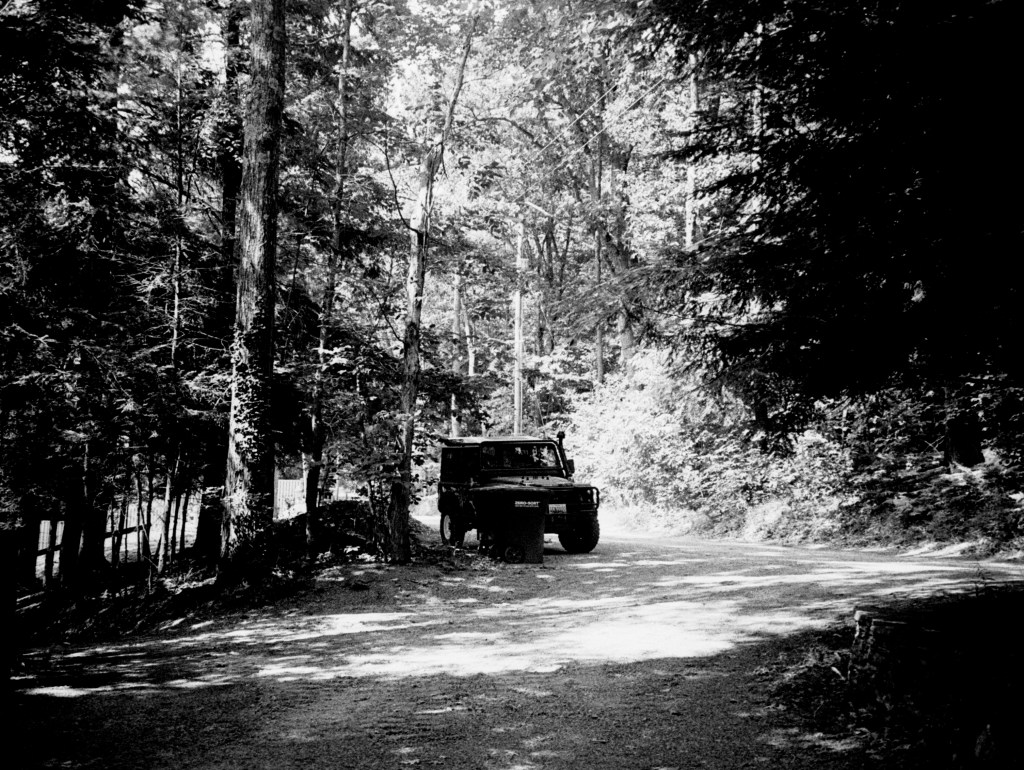
In early June I sat in the driveway and cracked the door of my truck. In the northern woods, the air still offered the last cool whisper of spring. A chipmunk scurried past the bed of my vehicle, packed with my clothing and camping supplies. The house was dark, locked, and the wooden staircase creaked under my feet.
Over the next eight weeks, I worked as an Environmental Policy & GIS Intern at a small conservation non-profit called Otsego 2000. Sure, it was an opportunity to brush up on my geography and writing skills before beginning my Masters in September, but also a chance to reconnect with a landscape of which my experience long been confined to short periods in winter or summer. Under a hot July sun I ate barbecue with my grandparents, tried my hand at fly fishing the Catskills, and developed something resembling a golf swing. Each morning I climbed the foggy hills into Cooperstown, shedding my sweater and beginning my work.
Passing through Otsego County, the region’s beauty is unmistakable. James F. Cooper placed his Leatherstocking Tales along the shores of Otsego Lake, known as the Glimmerglass. Cooper’s great-great-grandson, the activist Henry S.F. Cooper, Jr., called it “a masterpiece of nature.” Over the decades the hills have changed. Woods were felled for fields, some were abandoned, and the second-growth slowly pushed through the glacial till to reclaim the land. In 1999, the Glimmerglass Historic District was added to the National Register of Historic Places, and throughout, a system of parks and trails has developed.
Beyond nominal designations, the land has a rich human history. Before the arrival of William Cooper (father of James F. Cooper) in 1785, the valley was home to the Mohawk, Oneida and Tuscarora Tribes. Council Rock, at the southern tip of Otsego Lake, is believed to have been a meeting place for the Haudenosaunee. The county’s roads were built upon native walking paths, which themselves followed the trails of black bears and white-tailed deer, blazing paths between salt deposits.
There is a pride that permeates the county – a pride felt at the Farmer’s Market, and in the foundations of the estates dotting the Glimmerglass’s sapphire waters. Here, at least, one senses the distinct intention of keeping the land peaceful and undisturbed. What to do, then, as the region grows in population? How should the people of Otsego County respond to mention of pipelines, data centers, and sprawling real estate developments? These questions are weighed every day.
One thing I learned this summer: an environmental education is two-fold.
Firstly, it is about understanding how ecosystems function, the injury and benefit of human actions upon those systems. In rural America, this is the easiest lesson to impart – it’s a difficult thing to miss when you grow up surrounded by forests, creeks and farmland. This side of environmental education can be taught by childhood adventures, woodland rambles, and backyard gardens. If we are lucky enough to experience it firsthand, it is a simple thing to grasp.
The second aspect is more difficult: what can you do to protect your environment? This means learning how to be a better steward of the environment in your daily life. It means composting, planting native species in your yard, maybe installing a solar panel or two. It also means: studying zoning laws, knowing your representatives, and understanding what tools you have at your disposal to maintain a sustainable existence for yourself and for future generations. In Otsego County, many towns haven’t updated their zoning laws in years and have limited their options to respond to new projects. I would be shocked if this trend is not widespread throughout America.
It is a natural and honest thing for people to desire a say in the fate of their environment. As corporations shell out big bucks to buy up land for data centers, claiming economic opportunity, towns have a choice in how they respond. Sometimes, however, the grasp for control can be counterproductive. Environmental damage is threatened by developments backed by big players with big money – and lawyers. In Otsego County, Williams Companies has mounted pressure on FERC to push through the Constitution Pipeline, which would pump natural gas from Binghamton to Schoharie County and beyond. Additionally, Williams Cos. reached a $5.34 billion deal with Meta to supply energy for their data centers. What could this mean for a possible pipeline expansion in Otsego County? Time will tell, but in the meantime we should not sit on our hands.
In the face of large trans-municipal development, I’d argue that towns should pool their resources and knowledge, and cooperate instead of fighting for control of oversight of cross-boundary projects. This might mean a shared Environmental Impact Assessment, Town Hall, or committee. So too might people explore the economic benefits of land conservation. Rather than seeing conservation as the work of non-profits and land trusts, it might be seen as a community endeavor. Land- and resource-hungry actors are betting against the organizational powers of Small Town America. It is up to the counties and municipalities to ensure that the future works for them, and for their environment.
The work of environmental education is the work of enlarging our toolbox, in order to be better stewards of our planet, and to know when and how to fight for it. Recently, I’ve been reading much work from the late Wendell Berry, and like him, I fiercely believe that the solutions to most issues begin at the local level. Whether through gardening, participating in local politics, neighborly gatherings or simply engaging with causes we are passionate about, we have the power to be less powerless.
I entered Otsego County with a vague inkling of what I hoped to accomplish. Mostly I looked forward to lazy afternoons by the lake, pickup soccer on Monday evenings, and evening runs through the woods. I enjoyed the stillness of the place, and the centeredness that comes with seeing somewhere through a season. My work was fulfilling, if sometimes open-ended, and community members often expressed their gratitude for the resources I developed. I worried for the future of the county’s landscape, with its forested hills and chilled trout streams, but I was comforted to know that the richness of the place was not unnoticed. And when I would cook dinner, with fruit and vegetables I’d bought from the Farmer’s Market that Saturday, I would think of the half-smile on the face of the market vendor, clutching that bundle of sprouts as she eased them into my bag.