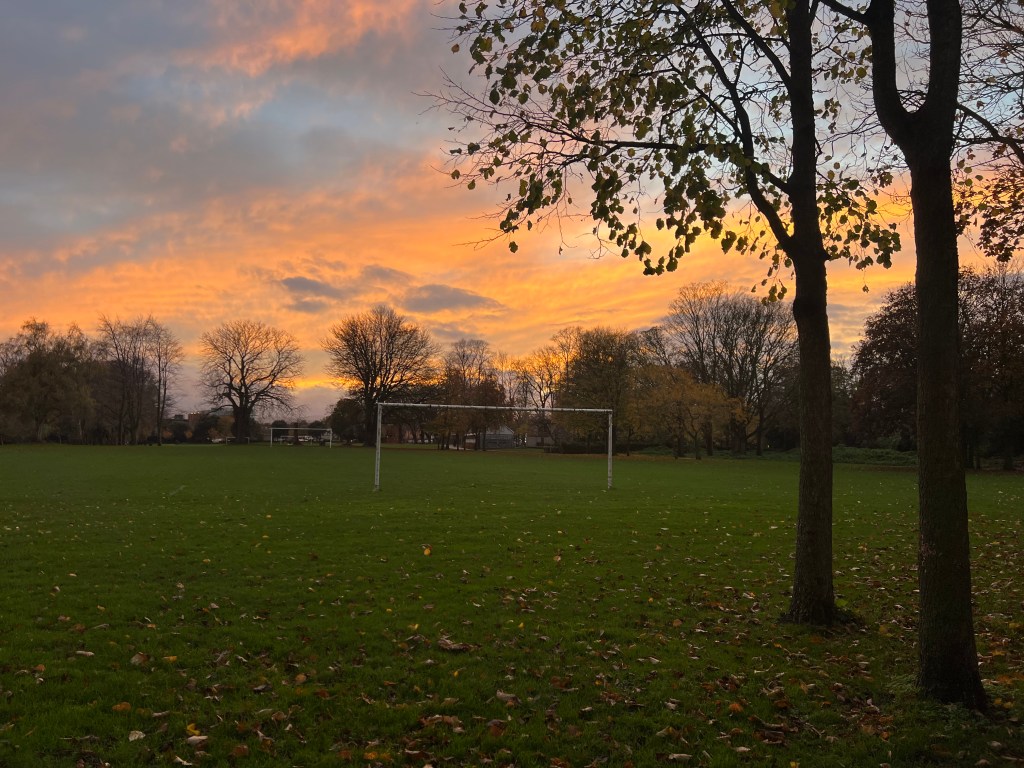
I’ve left Ireland. I chose the worst time to leave – that brief moment when the country becomes Heaven On Earth, when the sun rises early and sets only after the fourth pint of Guinness. In May, people flock outside: to the canal, the parks, and to the beaches which, settled from their months-long temper tantrum, feel the kiss of the sun and the patter of bare feet. Summer in Ireland is bliss and in my final days the island did its damnedest to make me stay. The Irish summer taunted me like a prize I’d earned but could not receive.
I wanted to leave – I was dead tired. I missed family and friends. I wanted change and familiarity. For months I had neglected to write and here I am – home! Lovely as it is to be here, I want to write once more about there.
Playing organized sports is one of the best decisions I ever made. Sports teams have always offered something beyond athletics, beyond even the therapeutic qualities of physical activity and craft. Team sports offer an essential community, a “third place” unconfined by the designations of work and home.
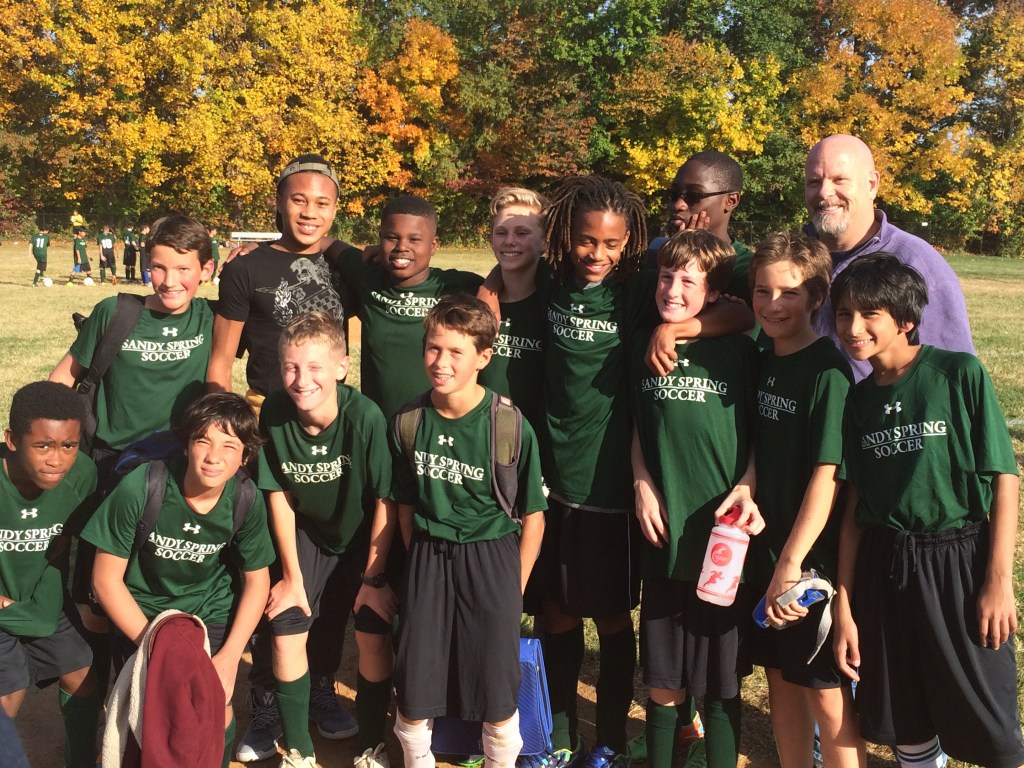
I was always a soccer player. When I was seven I played with a chaotic swarm of kids, wrangled by a bald man I insisted on calling Coach Blueberry. We were an uncoordinated bunch. By the end of each “practice” we would fetch seven or eight balls from the gnarled bushes and retrieve a couple more from the yard across the fence. We would collect the cones, strewn across the grass as if tossed by a storm, and neatly stack them next to our fatigued chaperone.
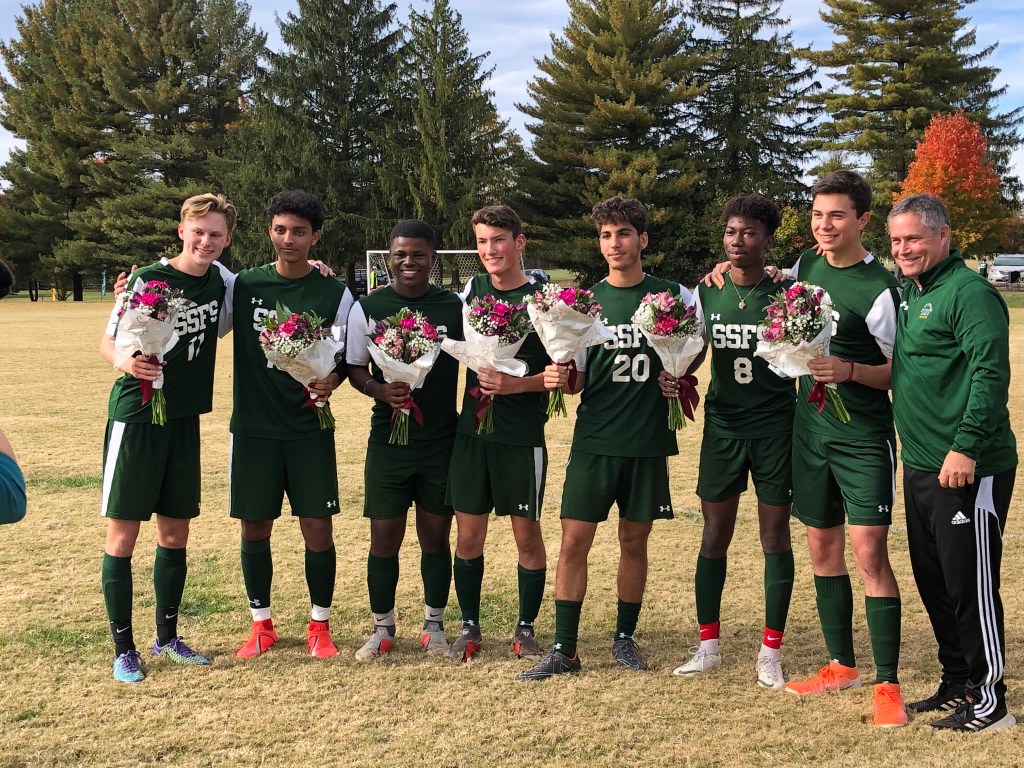
In middle school I was nowhere near the front of the pack. I watched on as my teammates performed “around the worlds” and rainbow flicks; the coach’s pursed lips and nodding head affirmed their place in the starting lineup. I wasn’t alone in my mediocrity, of course – my best friends were right there alongside me. Some of us wanted to progress, and we trained hard. I found myself running sprints on hot summer days, the carcinogenic astro-turf melting holes in our plastic cleats. We played whenever we could. My friend Stephen and I practiced bicycle kicks in my backyard, our falls padded by six inches of snow, trudging along, toes blue. Our work eventually paid off. In our sophomore year we made the varsity team, and even notched ourselves a few goals. In my senior year I was named a captain, and led the team to the conference finals.
Those years, full of disillusionment, determination, stud scrapes and pride, are some of my happiest. I remember the faces of my friends as we piled into the school bus before a match. I remember the banter of Warren and Gilles, Shields’s pre-match anthem (Graduation-era Kanye) and Xander’s cache of travel snacks. The sport was always in service to the team.
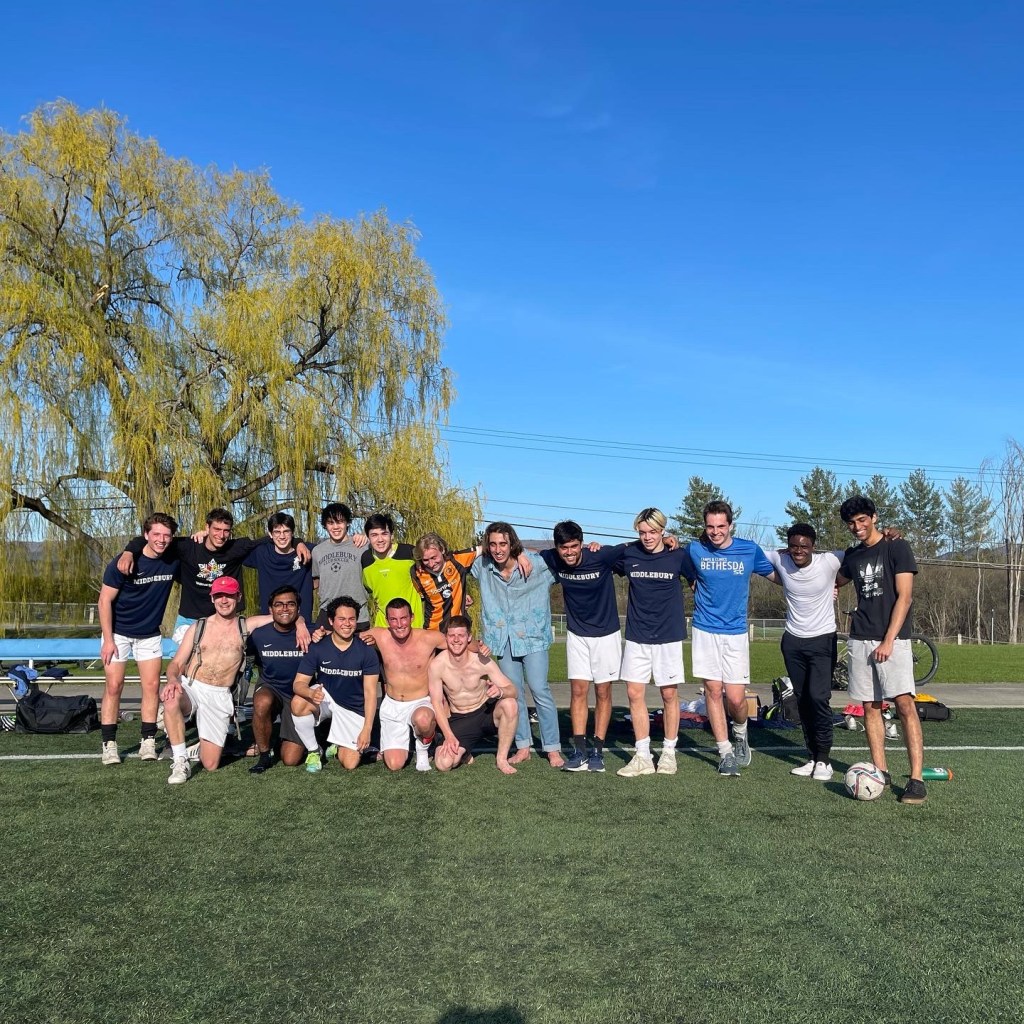
College can be a disorienting place and an orienting place – it is where you are lost and found, broken down and rebuilt. In college I sought out new experiences and craved familiarity. Soccer was that familiar thing that drew me outside on balmy Vermont afternoons and let me forget for a moment about papers and deadlines. I met people, and when interest in club soccer overwhelmed Middlebury’s two-tiered system, I helped found a second club team. I was a captain in my sophomore year, and watched as the team grew beyond me. Today Club B and Club A are an even match, and the club’s growth remains a source of pride.
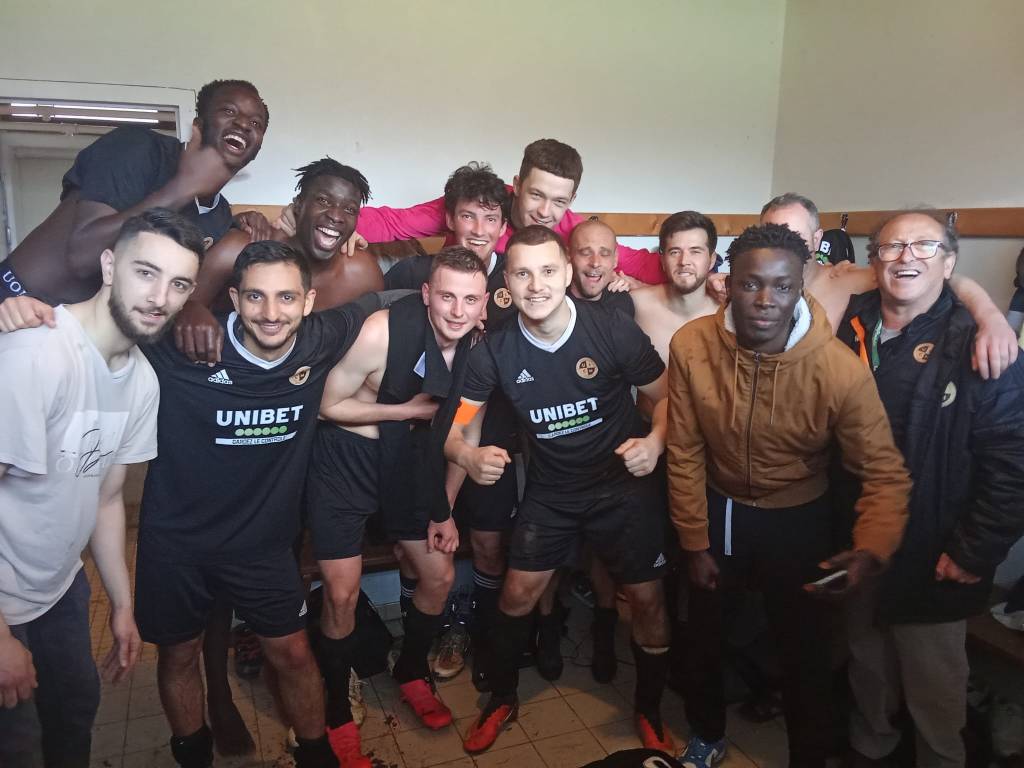
Graduating meant leaving my team behind, but the game stayed with me. Last year, as an English teacher in France, I joined a small club on the outskirts of the town of Périgueux. Even in our low division, there was an intensity that I found refreshing. There was shithousery and chaos. The team was upended when it was found that the manager lacked the proper documentation. When he returned a month later, he brought with him ten new players who, in short time, had replaced much of the original starting lineup. Players left for other clubs or were sent to the lower-division squad. I was one of those sent down, and the game became increasingly unserious – matches devolved into shooting contests; players drank beer and smoked cigarettes at halftime; the team captain got into a fistfight with a player on the opposing team and was suspended for the rest of the season.
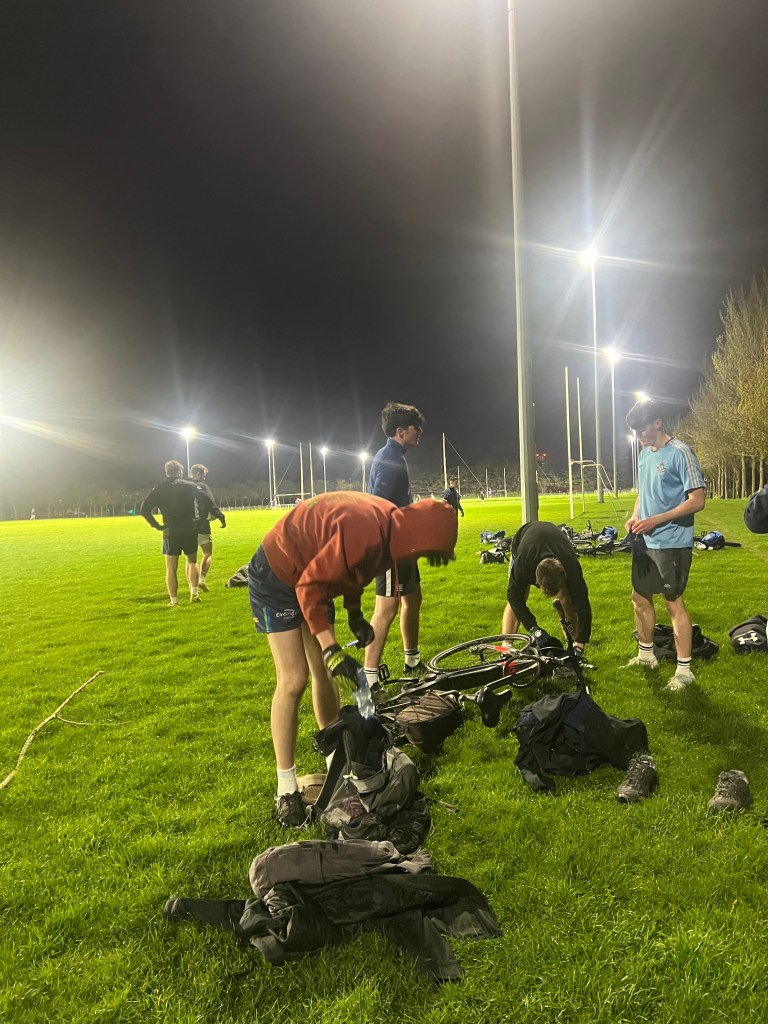
Despite the disorder, I made friends and am still in contact with my teammates. That mattered, living in a new country. I thought of this when I set my bags on the floor of my Dublin apartment – I wanted community like I had in France, but I also wanted to branch out. Near my apartment was a field, where after work I would sometimes see kids holding hurleys and sliotars, or tossing a ball, sometimes shaping up to kick it through the upright posts. They would kick the ball to each other or punch it, underhand, with their wrists. This was Gaelic Football – “the GAA” (pronounced “gah”) – one of the most popular sports in Ireland. When a friend invited me to the county championship match I was astonished by the skill, pace and fluidity of the play. Early into the New Year I joined my local GAA club – Clanna Gael Fontenoy – and attended my first training inside the month.
Gaelic Football is, in some ways, not too different from soccer. Players are positioned on a field (a larger field, with 15 positions rather than soccer’s 11); they pass a ball and score points by putting the ball in a goal (or through the uprights). It is illegal to pick the ball up from the ground with one’s hands. Instead, a sweeping kicking motion is performed, arms swinging down to retrieve the ball – when I jumbled it my teammates kindly looked the other way. After a few practices I got the hang of it, and in my first match I notched an assist. I wasn’t skillful but I was fast and physical and I wasn’t afraid to receive the ball. I enjoyed it! The coach, Simon, was genuinely supportive. My teammates’ banter, the ritualistic locker room preparations, the clack of my mud-caked cleats, were heartwarming and familiar – post-match pints became equally familiar. One evening, as I was lacing up my cleats, I started absent-minded small talk with another player. When we noticed each other’s accents, our heads shot up. Nick was from San Francisco and we became friends; in the springtime we biked along the river Dodder, stopping for pints and fishing for trout under the bridge.
Wherever I go, sports find me – when the muscle-memory from childhood comes flooding back I will discover community anywhere. My advice is to get involved. Join a team, start early, and play as often as possible. If not for fitness, or for the reward of victory, do it for the simple fact that the key to lifelong community can be a leather ball and a pair of well-tied cleats.