The European Golden-Plover is a largish shorebird commonly found along the Irish coast. The commonly agreed-upon name for a group of grounded plovers is called a congregation. As they take to the air, they become a wing. Some prefer the term ponderance, while still others turn to the curious deceit. The headscratching variety of common nouns attributed to this spritely bird seem to be medieval in origin: the 13th-century Book of Saint Albans was among the first texts to coin the term congregation, and the name stuck.
Every month a small group of wide eyed men and women assemble on the shores of Dublin. They come brandishing scopes and binoculars, cameras and harnesses, and they settle into a silence. This silence is at once peaceful and energized. Sometimes it is broken by murmurs or joyous outcries, or by bird watching stories from their pasts. Every new tuft of plumage sparks a memory. Other times they watch those specks of black and gold, standing alert in the field, one congregation watching another.
On Saturday, I took part in an outing organized by BirdWatch Ireland – Ireland’s largest independent wildlife conservation organization. Originally founded as the Irish Wild Bird Conservancy in 1968, BirdWatch partners with other conservation groups to conduct scientific research, manage wildlife reserves, advocate policies, and provide educational opportunities to Ireland’s ornithically inclined public. Today, BirdWatch maintains 21 branches across Ireland, with each working to promote birdlife within their regions.
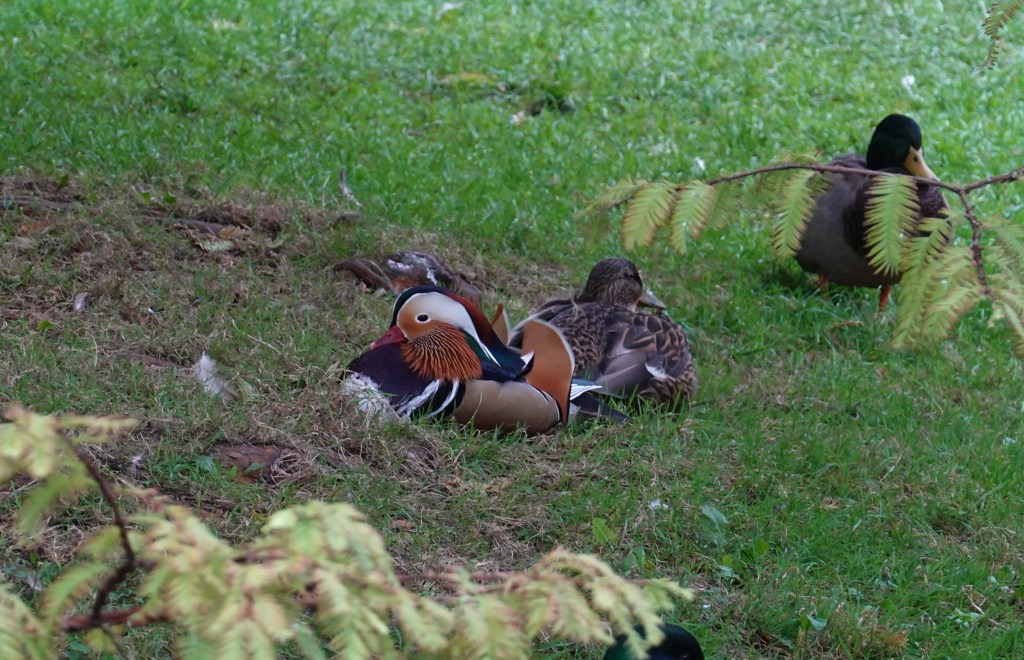
Before arriving in Ireland, I had not considered the Emerald Isle to be a birdwatching hotspot. After a few months of feather following in Cork and Dublin, my preconceptions were swept away. Not only is Ireland home to a wide variety of sea, field and forest dwellers, but the migratory season is a feast for birdwatchers. Avians making their yearly journeys north from Africa, and south from the Arctic, pass through Ireland. Swallows are a regular visitor, and rare birds are often blown through the island by prevailing winds overseas. With changing weather patterns and a warming climate, some rare visitors have become commonplace: Hoopoes, blown off course from their normal route to southern Europe, have been turning heads from Wexford to Cork.
The geographic limitations of birdwatching on an island are part of what makes Irish birding special. The surprise arrival of tropical birds, while a thrilling distraction from dunlins and redshanks, mark an unsettling trend for Ireland’s climate. A few weeks ago, I took a day-trip to North Bull Island, a wildlife reserve just north of Dublin, to see a pair of Glossy Ibises. Those large red shorebirds, with their long down-curved beaks, normally nest in southern Spain and Portugal.
On RTE’s Morning Ireland, Niall Hatch of BirdWatch Ireland explained that an “unprecedented influx” of more than 600 Glossy Ibises had recently been spotted in Ireland and the United Kingdom. The birds had fled the locale near Sevilla, he says, due to drought in those Spanish wetlands they call home. That, combined with a warming Irish climate, has brought the Glossy Ibis as far north as Louth. As Ireland’s climate continues to warm and habitat loss affects a growing number of birds, more rarities may find their way to the island’s shores: a spectacle for birdwatchers, but a worrying one at that.
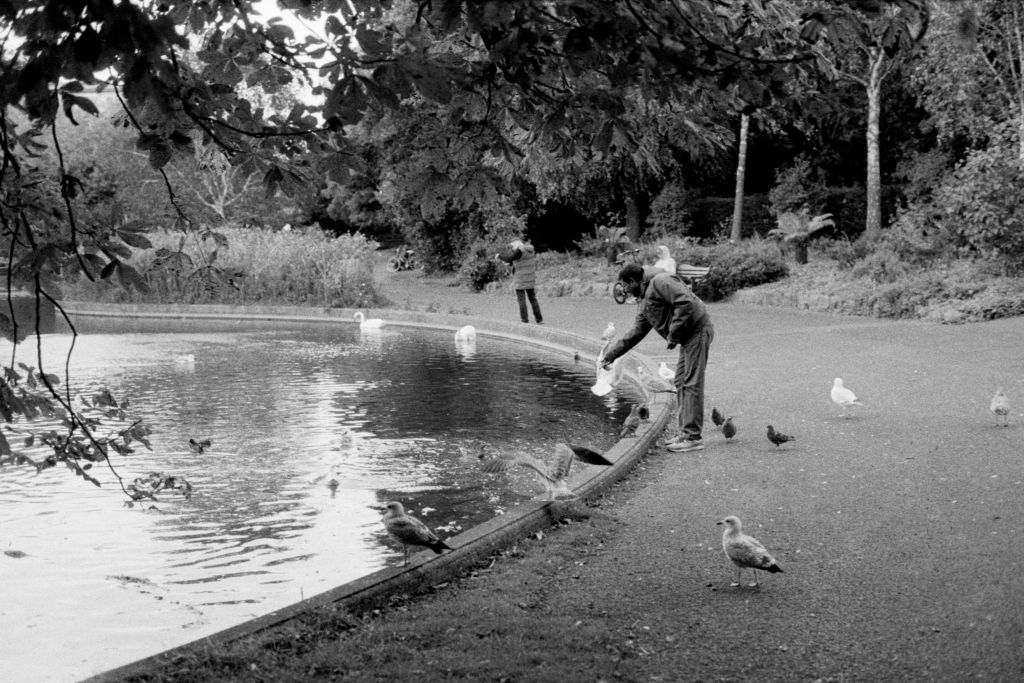
Ireland’s history is deeply intertwined with that of its birds. The ancient Irish, watching the clever wren, called it the “king of the birds,” while in cawing ravens they saw Mórrigan, goddess of fate. In 1900, the ornithologist and speleologist Richard John Ussher (1841-1913), working alongside Robert Warren (1829-1915), wrote The Birds of Ireland, the first comprehensive work exploring Ireland’s birdlife. The Birds of Ireland is a glimpse into a much changed island, during a time when farming practices were yet to become mechanized and impact habitats that, in 1900, were largely intact. During the mid-twentieth century, grazing intensified and chemical fertilizers came into use, posing an existential threat to insectivorous birds like the Concrake and the Corn Bunting. Per The Irish Times, a wide variety of bird species have declined and gone extinct since the early days of birdwatching.
Some species have been saved from extinction. The Common Buzzard, the Little Egret, and the magnificent Northern Fulmar have seen their populations grow exponentially since Ussher’s day thanks to hunting restrictions and Ireland’s many bird sanctuaries. The first designated bird sanctuary was North Bull Island, that Dublin beach where I spotted my first Northern Shoveler, Northern Lapwing, and the ruby-feathered Glossy Ibis. Since its creation in 1931, a number of other sites have followed suit, either as stated bird sanctuaries or as wildlife reserves. Some sites, like the Great Saltee Islands in County Wexford, are privately owned and operated, while most are managed by organizations like BirdWatch Ireland. BirdWatch operates fifteen nature reserves across Ireland, providing space for conservation and education. Additionally, their work in passing the Nature Restoration Law has ensured Ireland’s commitment to restoring 20% of land and sea areas by 2030, and all ecosystems by 2050.
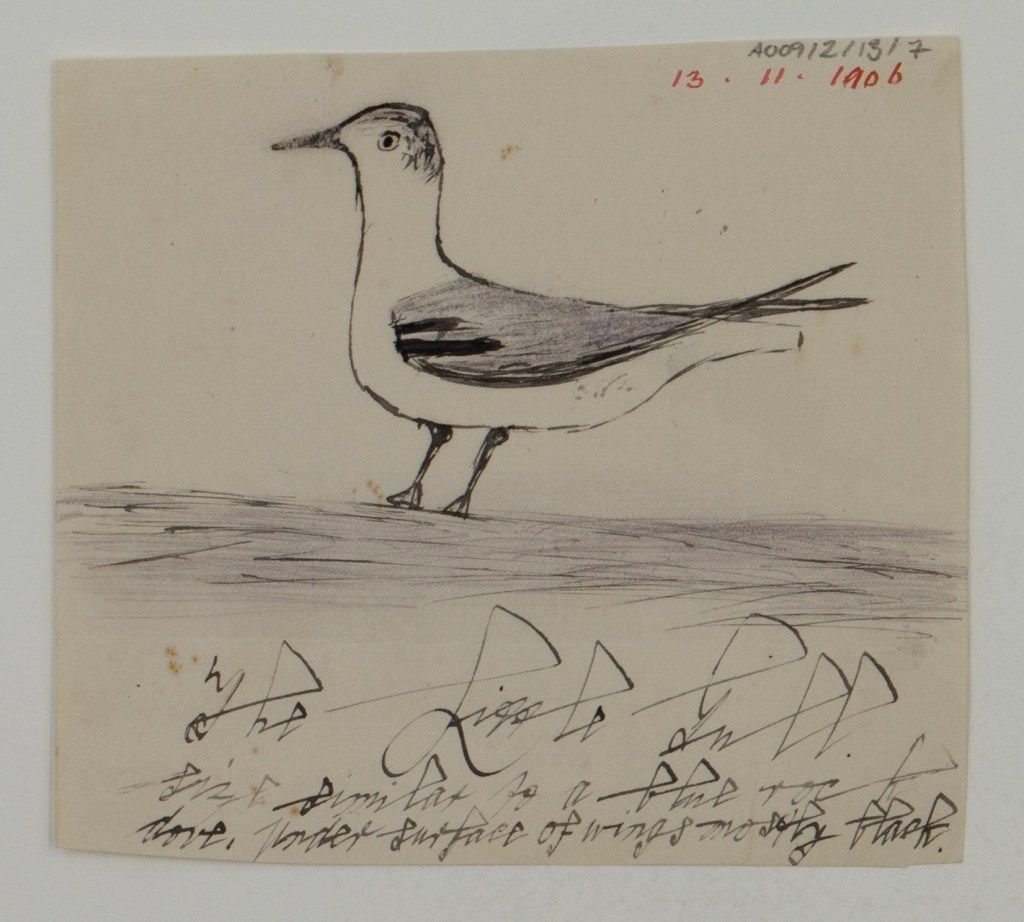
At BirdWatch’s Kilcoole Bird Sanctuary, just south of Dublin, I became one of twelve turning heads, following the path of a flock (or a scooter) of Common Scoters as they passed the crashing shoreline. I had arrived out of breath, having hauled my bike six kilometers uphill from Greystones Train Station. The scope-wielding group, bundled in coats and sweaters, confirmed that I was in the right place. They were an older group, although a younger couple soon arrived, looking to be in their thirties. A man named Jim greeted me as I marched up, rifling through my backpack for my binoculars. “So who’s got the eBird list for today?” The group organizers, volunteers with BirdWatch, chatted as we walked, speculating about what we might see.
Kilcoole Bird Sanctuary is off-limits for people: we parked our scopes and tripods on the dusty path at the reserve’s periphery. Some scopes were enclosed in cases, to protect from the wind, sand and rain. Rosena, one of the organizers, had wrapped hers in bubble wrap. After a glimpse out at the roaring sea, spotting fulmars, gulls, cormorants and perhaps a Great Northern Diver (or a Common Loon), we turned toward the reserve. Beyond the wire fence, a swath of tall grasses stretched in a gentle slope towards the Wicklow Mountains. At the center was a pond, where Whooper Swans, Mallards, a Pochard (a diving duck – my first), and a variety of other species flocked and waded amongst one another. Every so often, the lapwings, plovers and starlings would take to the skies in a stellar display. At noon, Rosena spotted a Red Kite high above us, and she called out excitedly for our attention. “There are two! One above and one below, near Sugarloaf Mountain!” For minutes, we watched the pair circle the skies above the sanctuary, before dipping beyond the trees.
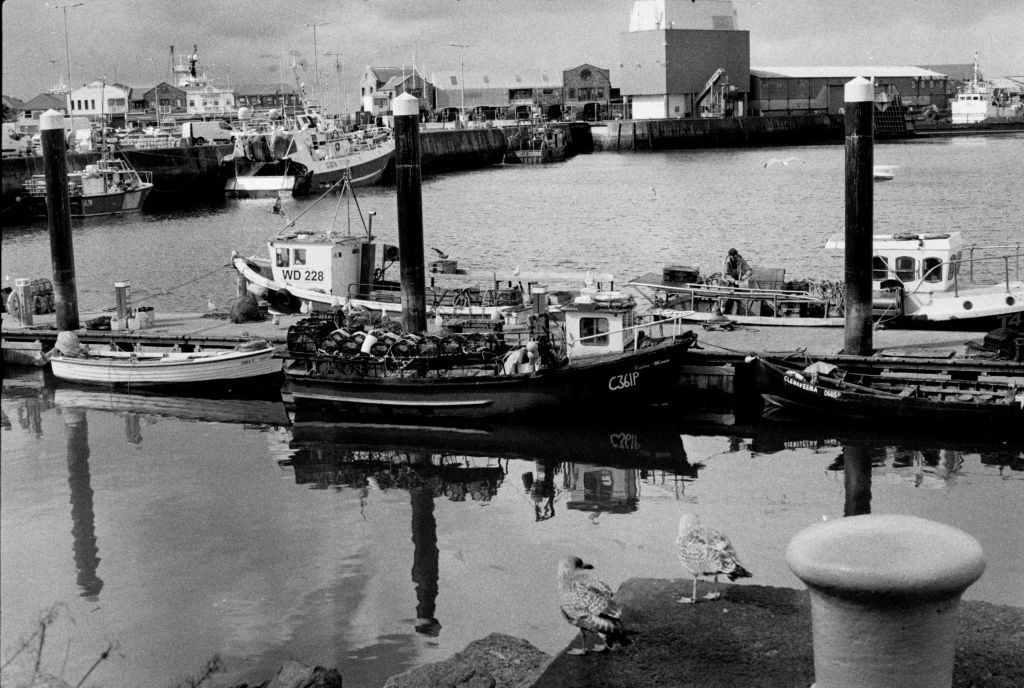
Birdwatching has grown in popularity in recent years, and since the pandemic put a spotlight on backyard species. In the United States, a 2024 report found that over one third of U.S. adults are birdwatchers, and European numbers aren’t far behind. At the same time, avians are in trouble in Ireland and abroad. According to the 2020-2026 BoCCI assessment, 26% of Irish bird species are on the IUCN Red List. The Hen Harrier and the Ring Ouzel are on the brink of extinction, and while the growing popularity of birdwatching presents an economic opportunity for the eco-tourism industry, it is essential that the hobby contributes to a growing eco-consciousness, a sustained support for research efforts, and the advancement of conservation projects in Ireland and abroad.
 charlie deichman-caswell